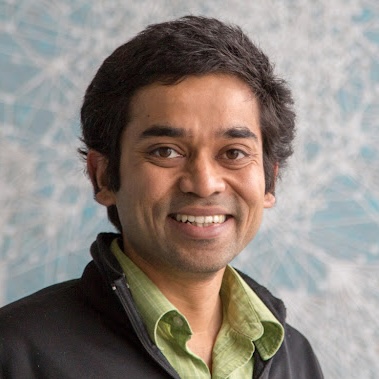
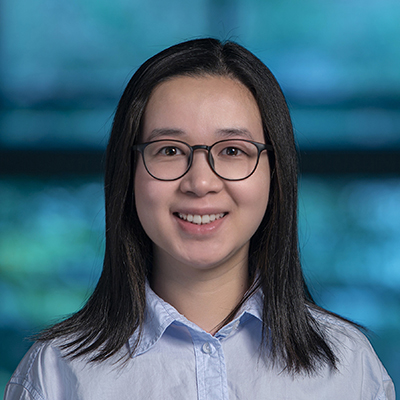
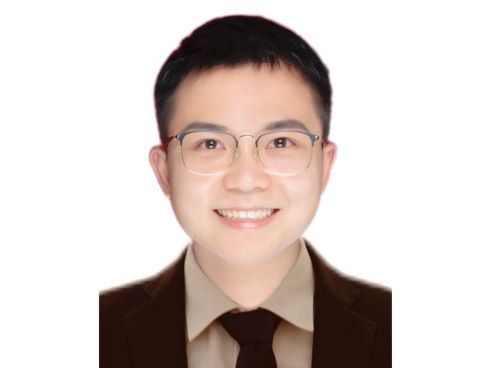
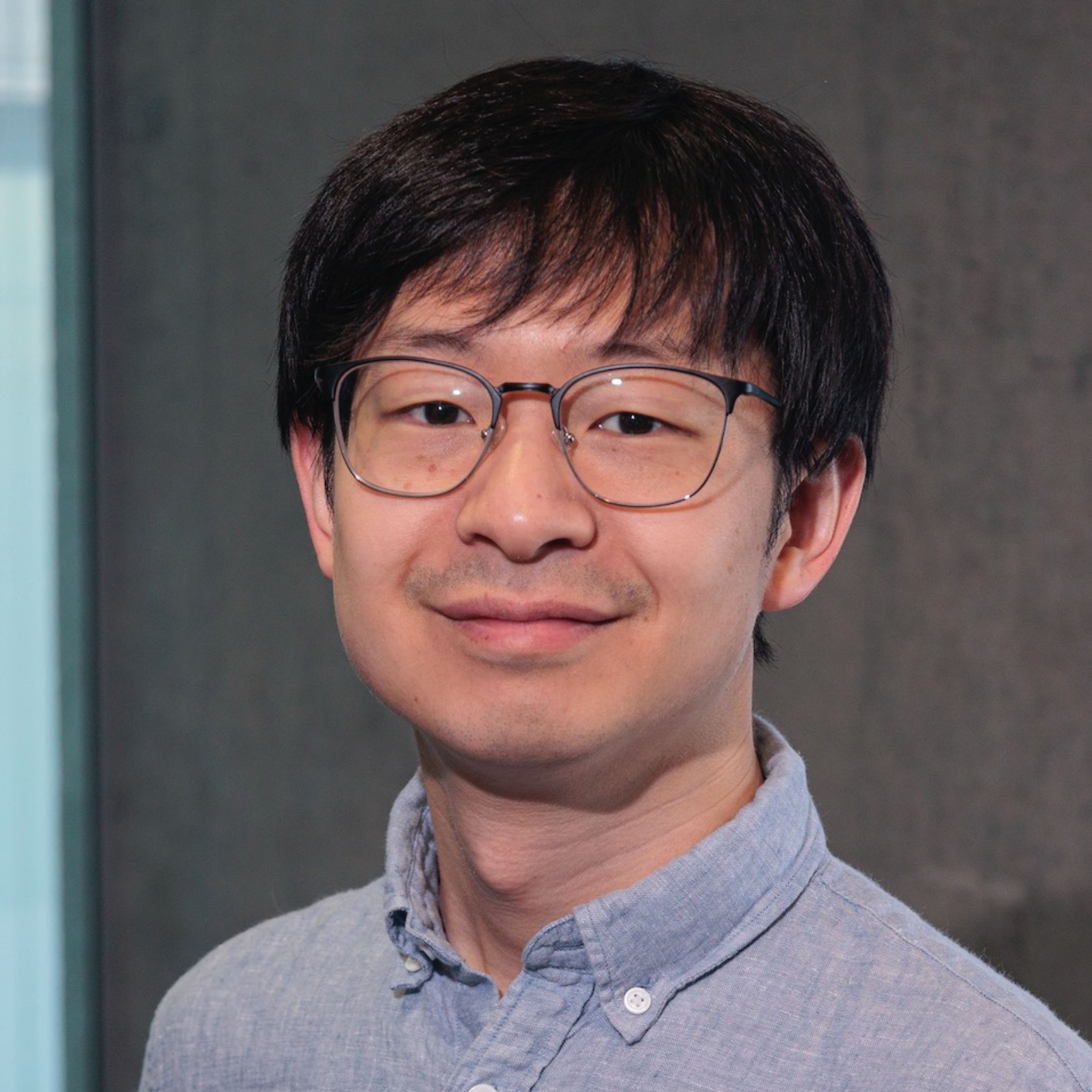
Best Paper Award
Winner
Scalable Capacity-Constrained Power Diagrams via Compressed Optimal Assignment
Honorable Mention
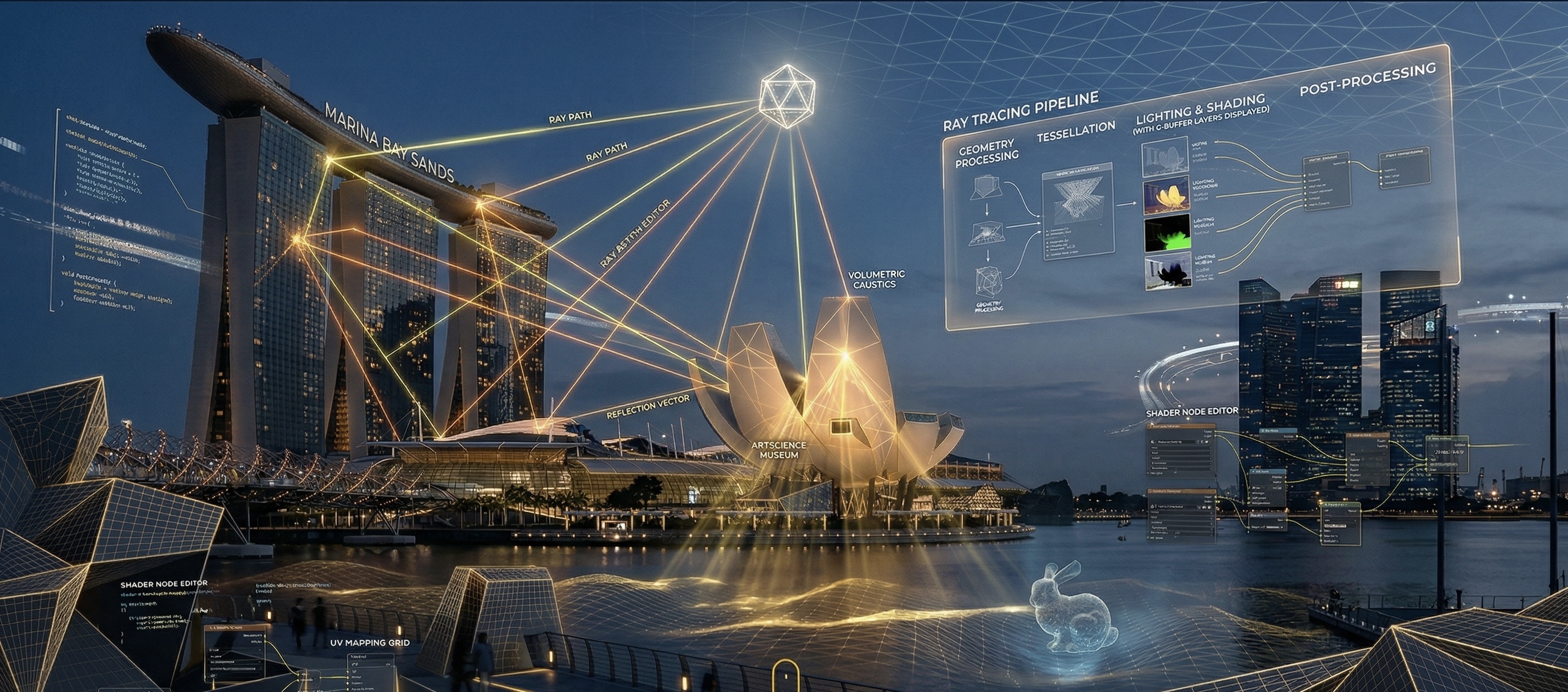

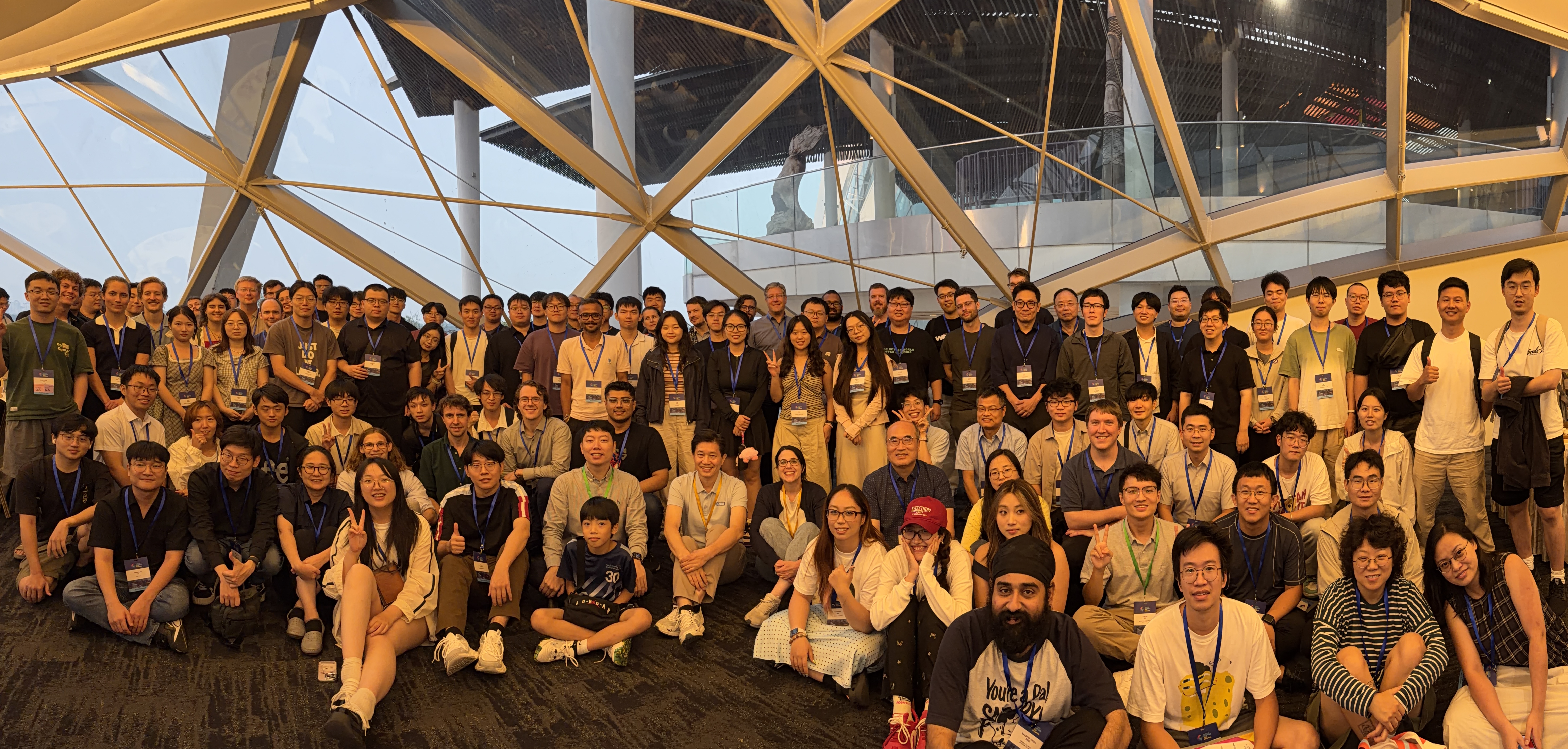
Thank you to all our attendees for making Pacific Graphics 2026 in Singapore such a memorable gathering. Your research, ideas, and conversations brought the conference to life. We are grateful to our speakers, authors, reviewers, volunteers, organizers, and sponsors for their contributions, and we look forward to seeing you again at the next Pacific Graphics.
Winner
Honorable Mention
Winner
Honorable Mention
Winner
Honorable Mention
Plan your visit · October 6–9
Find your way to the conference, check your poster session, and watch online presentations.
Step-by-step photos from Bras Basah Exit B or Bencoolen Exit C to the registration counter.
View walking directions 02 / Poster sessionsCheck poster numbers, presentation days, and sessions at the School of Accountancy, Level 1 Foyer.
View poster schedule 03 / Online presentationsOpen the latest presentation video links alongside the corresponding papers in the full program.
Watch presentation videosWelcome dinner · Oct 6, 6:30 PMBanquet bus · Meet Oct 8, 4:40 PM
PG 2026 · Technical Papers
A preview of the research at Pacific Graphics 2026.
The full PG2026 program is now available. Find your paper, session, presentation time and room, and review the presenter instructions.
The CRC preparation instructions and the Eurographics CC-BY license for accepted Conference Papers are now available on the Call for Papers page. The Eurographics license form applies only to Conference Papers; Journal Paper authors will complete a separate license agreement directly with Wiley.
The final decision process is taking a little longer as we work to collect the decisions from all primary reviewers. Thank you for your patience and understanding. Final decisions will be released as soon as the process is complete.
The revision submission portal is now open. The extended deadline is August 21, 23:59 AoE.
Special rates are available at Hotel Waterloo, lyf Bugis & lyf Funan, and Rendezvous Hotel.
The rebuttal period is open until July 25.
Register now to join Pacific Graphics 2026 in Singapore.
Pacific Graphics is the annual flagship conference of the Asia Graphics Association. As a highly-regarded international event, it provides a premium platform for researchers and practitioners to share the latest advances in computer graphics and interactive techniques.
The 34th Pacific Conference on Computer Graphics and Applications (Pacific Graphics 2026) will be held in Singapore from October 6 to 9, 2026.

TU Berlin
Marc Alexa is an ACM and Eurographics Fellow renowned for his foundational work in geometry processing, shape spaces, and point-based graphics. At TU Berlin, he leads research advancing geometric modeling, creating robust algorithms to represent complex 3D structures.
Talk
“Everything should be made as simple as possible, but not simpler.” While this principle of parsimony is commonly applied to design hypotheses in view of observations, it is useful also for the development of computational methods. Simplicity is key for wide adoption in academia as well as use in real world problems. It provides insight into the problem being solved, makes correctness believable, and fosters composition or generalization. I illustrate this with examples in geometric computing, offering some insights from the development of my own work.
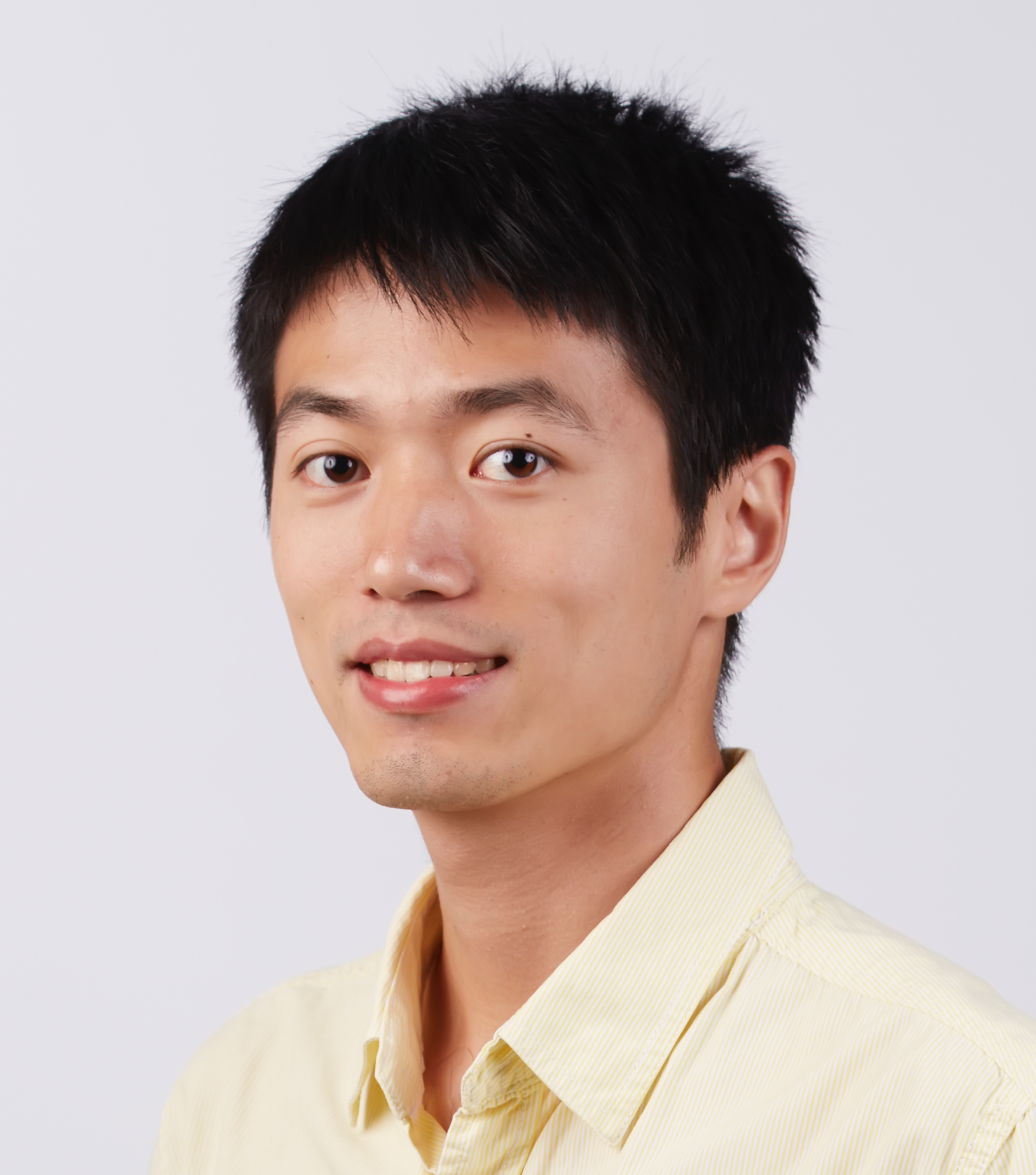
NTU
Ziwei Liu's research revolves around computer graphics and machine learning. He is a recipient of the PAMI Mark Everingham Prize and MIT TR35 Asia Pacific, widely known for his foundational contributions to generative models.
Talk
Recent advances in multimodal generative models have dramatically expanded our ability to create and reconstruct visual content. Yet generating plausible pixels is only a first step toward models that can truly understand and interact with the world. In this talk, I will discuss our journey from multimodal generation toward unified world modeling, centered on three capabilities: 1) being physical, by representing geometry, material properties, and semantics; 2) being dynamic, by modeling how 3D scenes evolve over space and time; and 3) being actionable, by connecting perception and generation to interaction, control, and embodied simulation. I will present our recent efforts in simulation-ready 3D generation, feed-forward 4D modeling, controllable video generation, and generative embodied simulation, together with new approaches for evaluating world models beyond visual realism. These developments point toward a broader role for graphics: not only synthesizing how the world looks, but building computational representations of how the world is structured, how it changes, and how agents can act within it.

Brown University
Adriana Schulz focuses on computational design, digital fabrication, and computer graphics. Her pioneering work bridges the gap between software algorithms and physical manufacturing, empowering users to design complex robotic systems and functional 3D geometries.
Talk
Generative models have transformed our ability to create images, geometry,
and other digital content. But designing objects for the physical world requires
more than generating something plausible or visually compelling. Physical artifacts
must also be manufacturable and satisfy functional and performance requirements,
turning design into a search through complex, highly constrained spaces.
It is tempting to think generative models will simply absorb this challenge without
the need for explicit optimization. I will argue the opposite: optimization is not
merely still relevant; it is becoming more powerful. The recent success of AI is,
at its core, a success of large-scale optimization, and it has dramatically expanded
what practical optimization can do. But harnessing this power requires rethinking how
we represent designs—not treating representations as fixed and building optimizers
around them, but instead designing representations for optimization. Through examples
from computational design and digital fabrication, I will show how this perspective
can make difficult inverse problems tractable and enable new tools for creating objects
that work in the physical world.